
Don't miss the next CellFit Seminar
PROGRAM (program with additional speakers will be released by August 15, 2025)
Welcome by Moderators & Co-Chairs
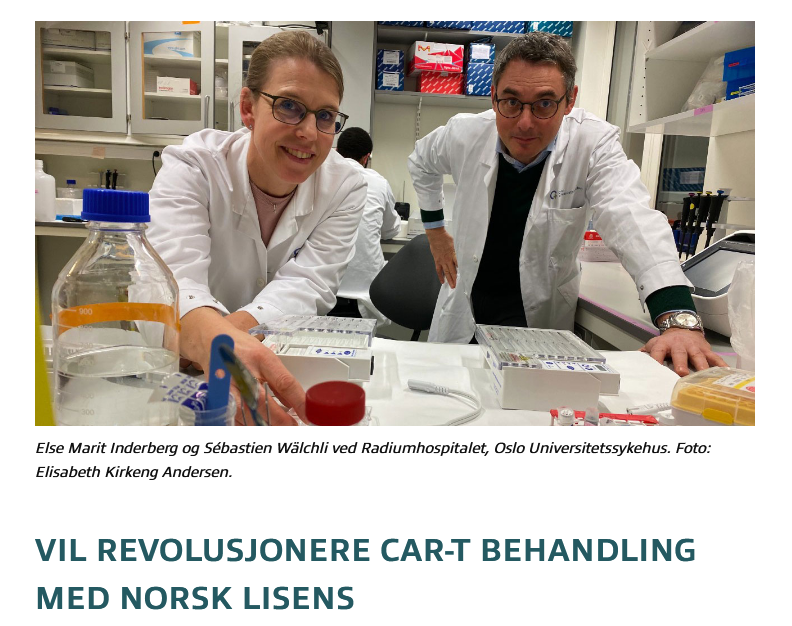
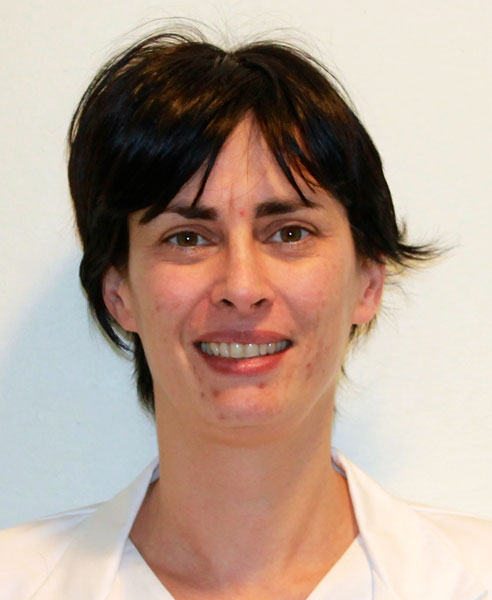
Else Marit Inderberg, PhD, Unit Leader, Translational Research Unit, Section for Cell Therapy, Department of Oncology, Oslo University Hospital, Oslo, Norway
&
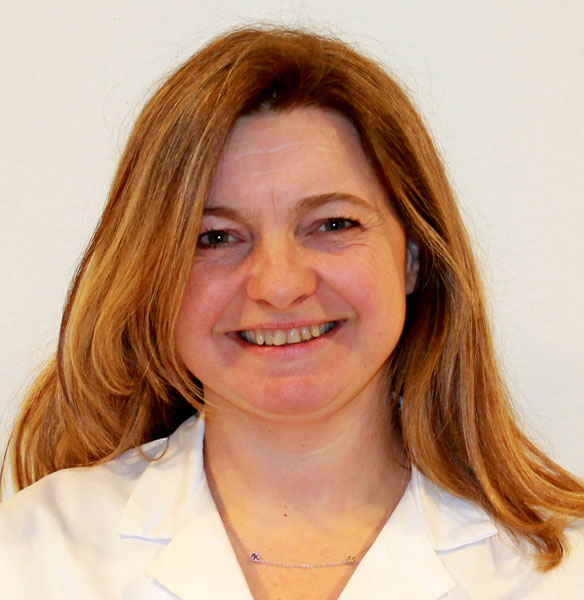
Tuva Holt Hereng, PhD, Senior Manager R&D Cell Therapy, Oslo, Norway
Speaker
Development of CAR-Treg therapies to modulate immune responses in transplantation and autoimmunity
Nathalie Belmonte, PhD, Senior VP Research and Technical Development, Quell Therapeutics
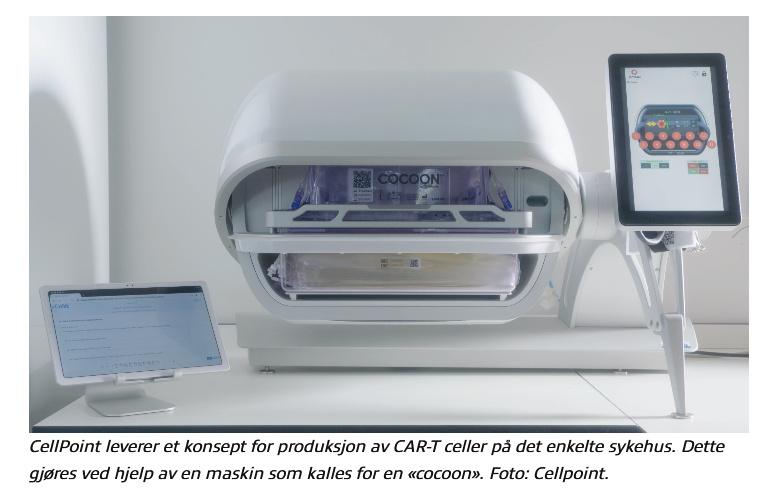
Solving CAR-T Manufacturing and QC Challenges with Structured Support and Strategic Solutions
Anna Pasetto, PhD, Associate Professor, Director of Center for Advanced Cell Therapy (ACT), Oslo University Hospital, Norway
Automated manufacturing of CAR effector cells: From viral to non-viral gene transfer
Ulrike Kohl, MD, PhD, Institute Director / University Professor, Institute of Clinical Immunology, Medical Faculty, University of Leipzig and Fraunhofer Institute for Cell Therapy and Immunology, Germany.
Maximizing the Innate Power of NK cells in cancer therapy
Ebba Sohlberg, PhD, Researcher and Project Manager at the Center for Infectious Medicine, Karolinska Institutet, Sweden
Additional speakers will be confirmed and updated here.
NOTE about a workshop the next day:
On October 9, 2025, 9am-5pm at OCC Innovation Park: You are invited to register your interest to join a specialized workshop conducted by Thermo Fisher Scientific. Please register your interest with corinna.pohl@thermofisher.com, who will contact you early Q3 2025 about the program.



.png)

.png)

.png)
.png)
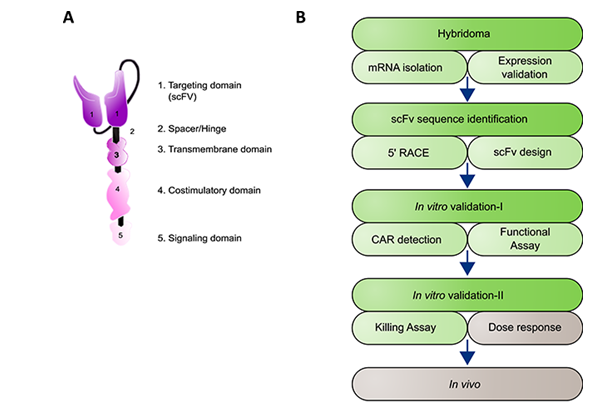
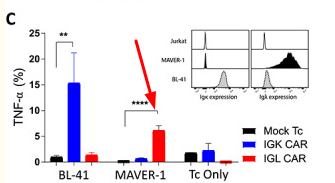
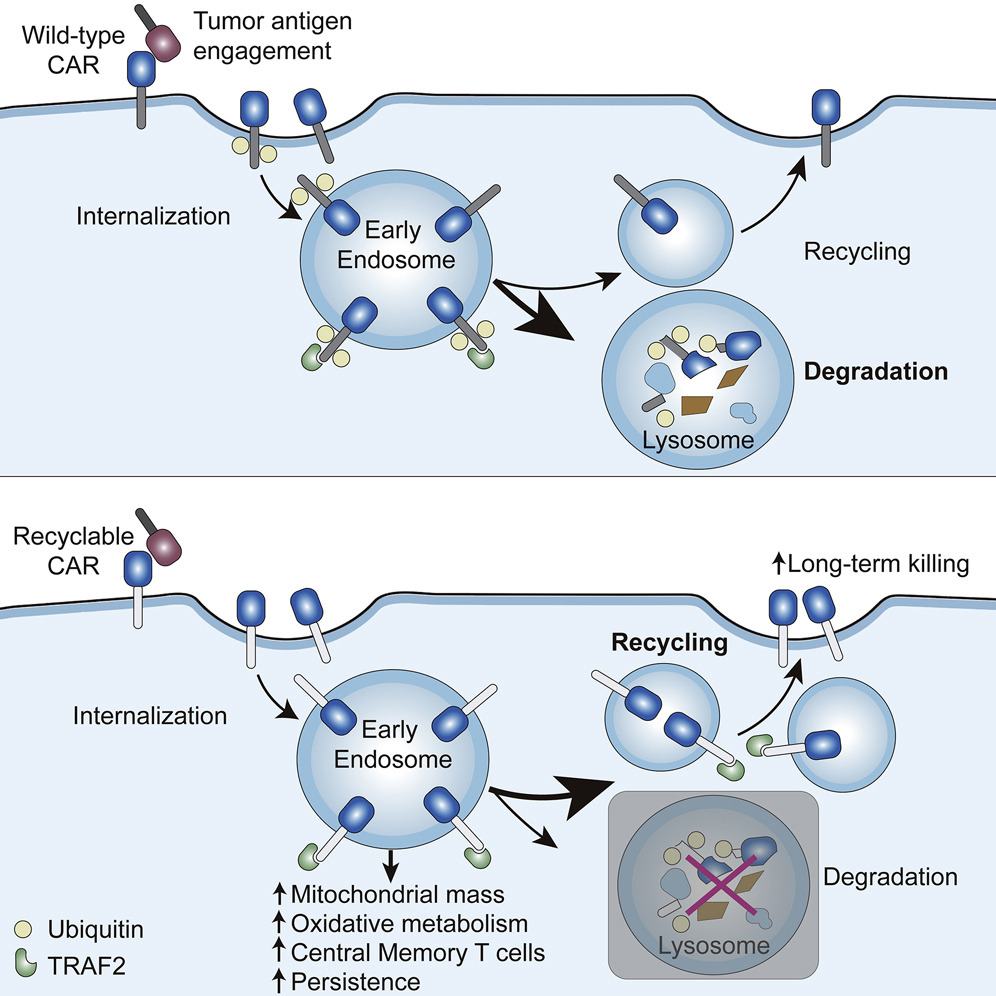
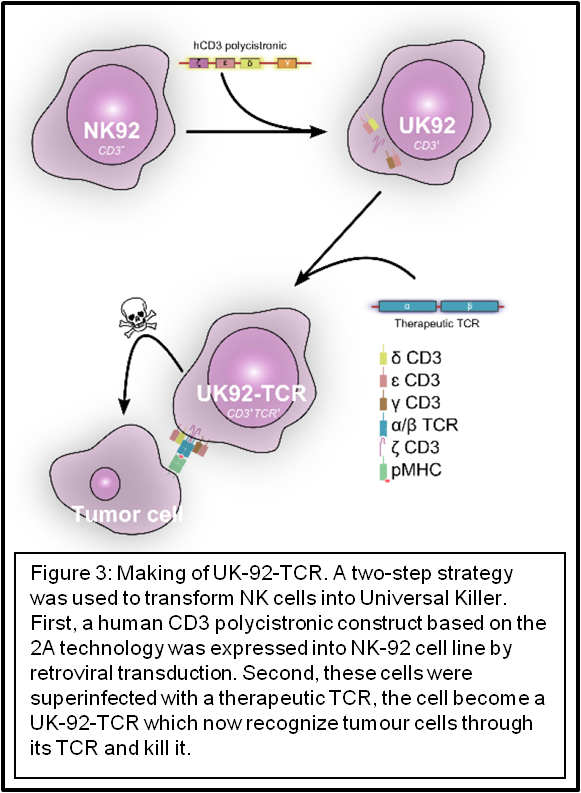
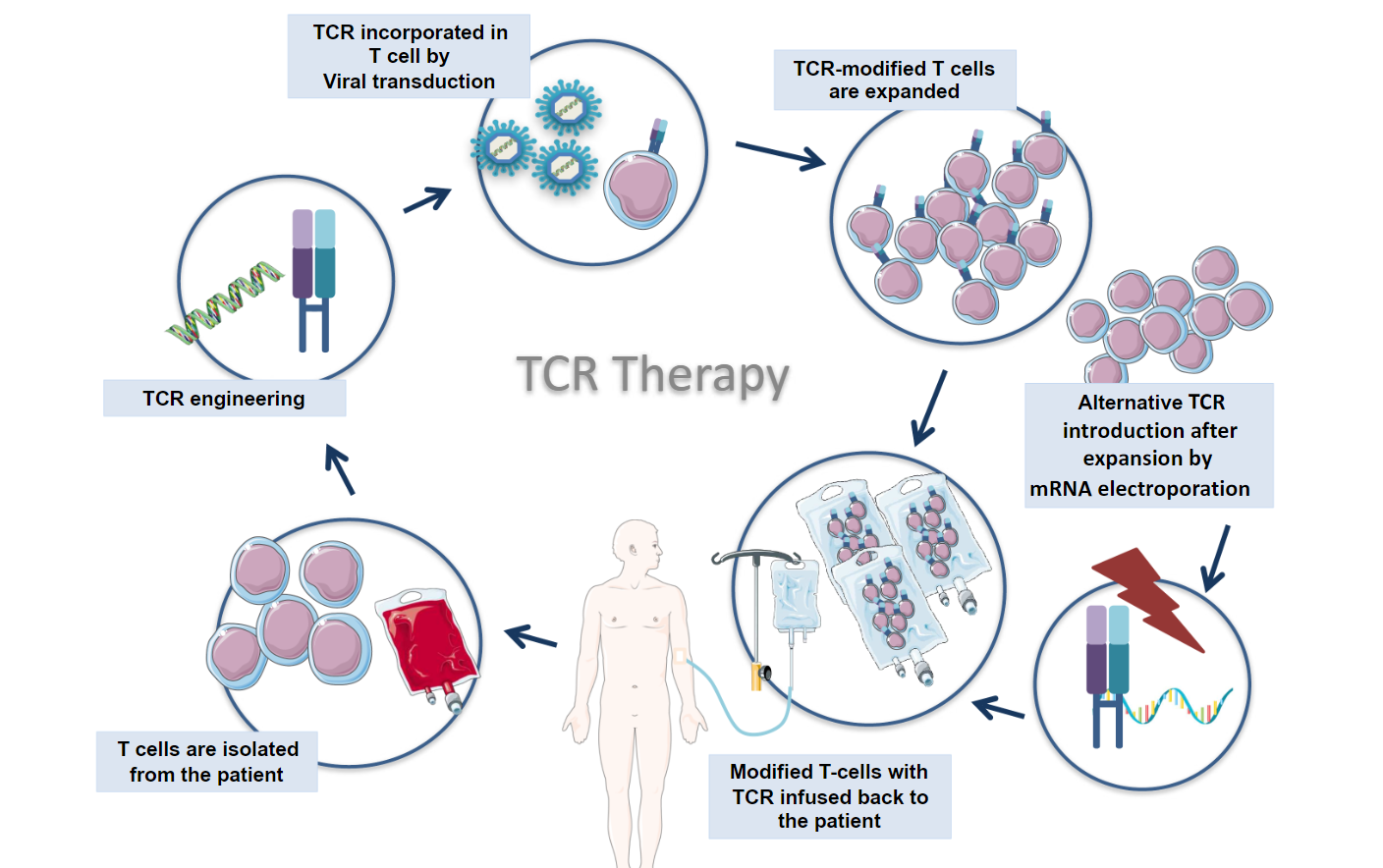
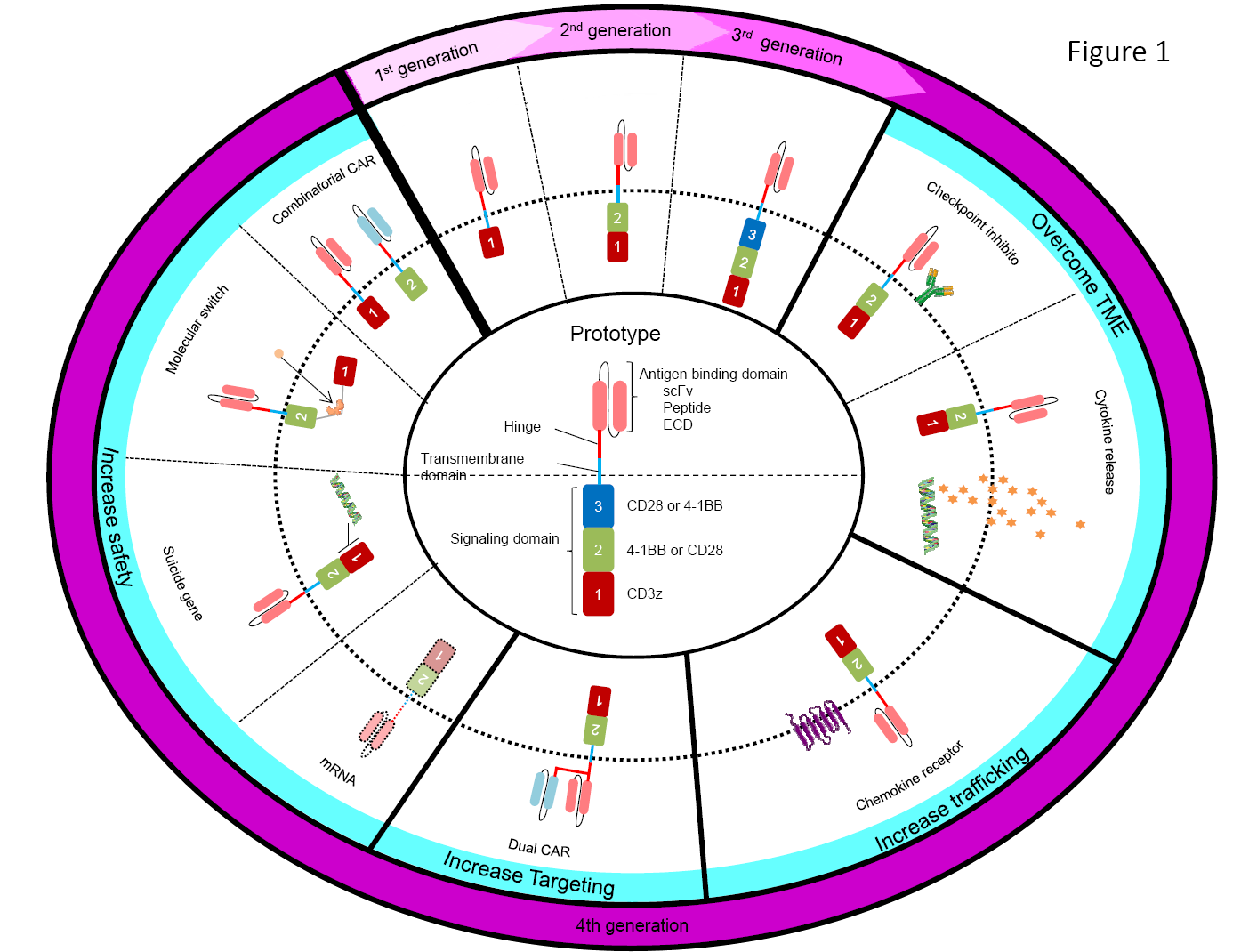
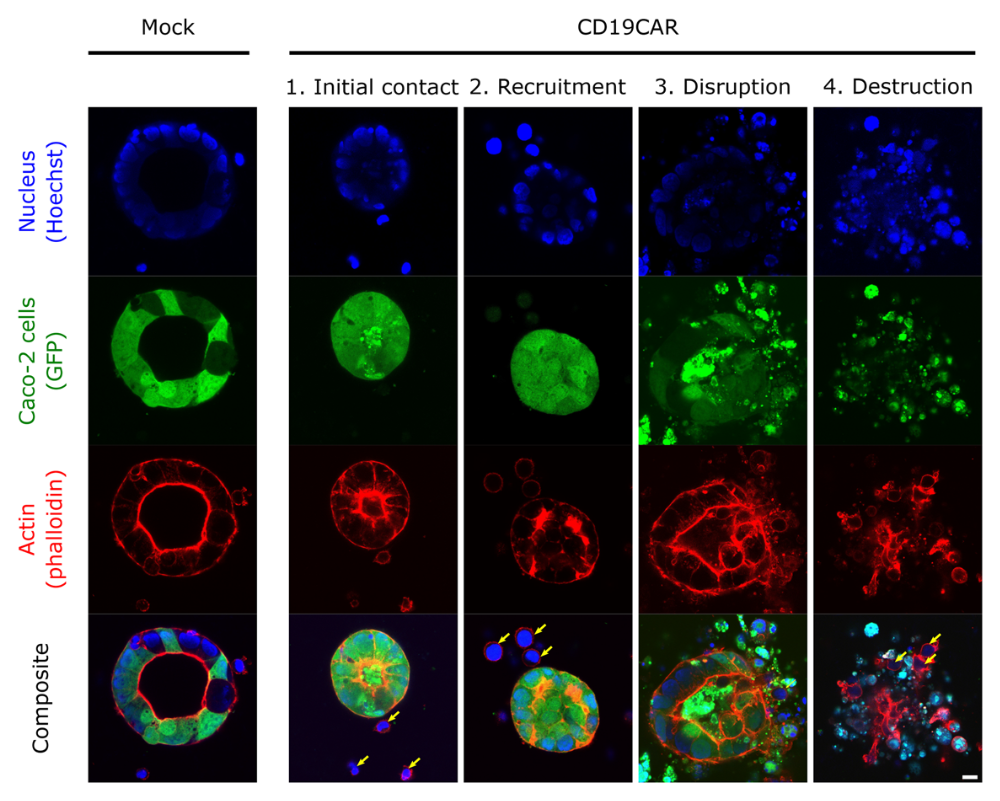
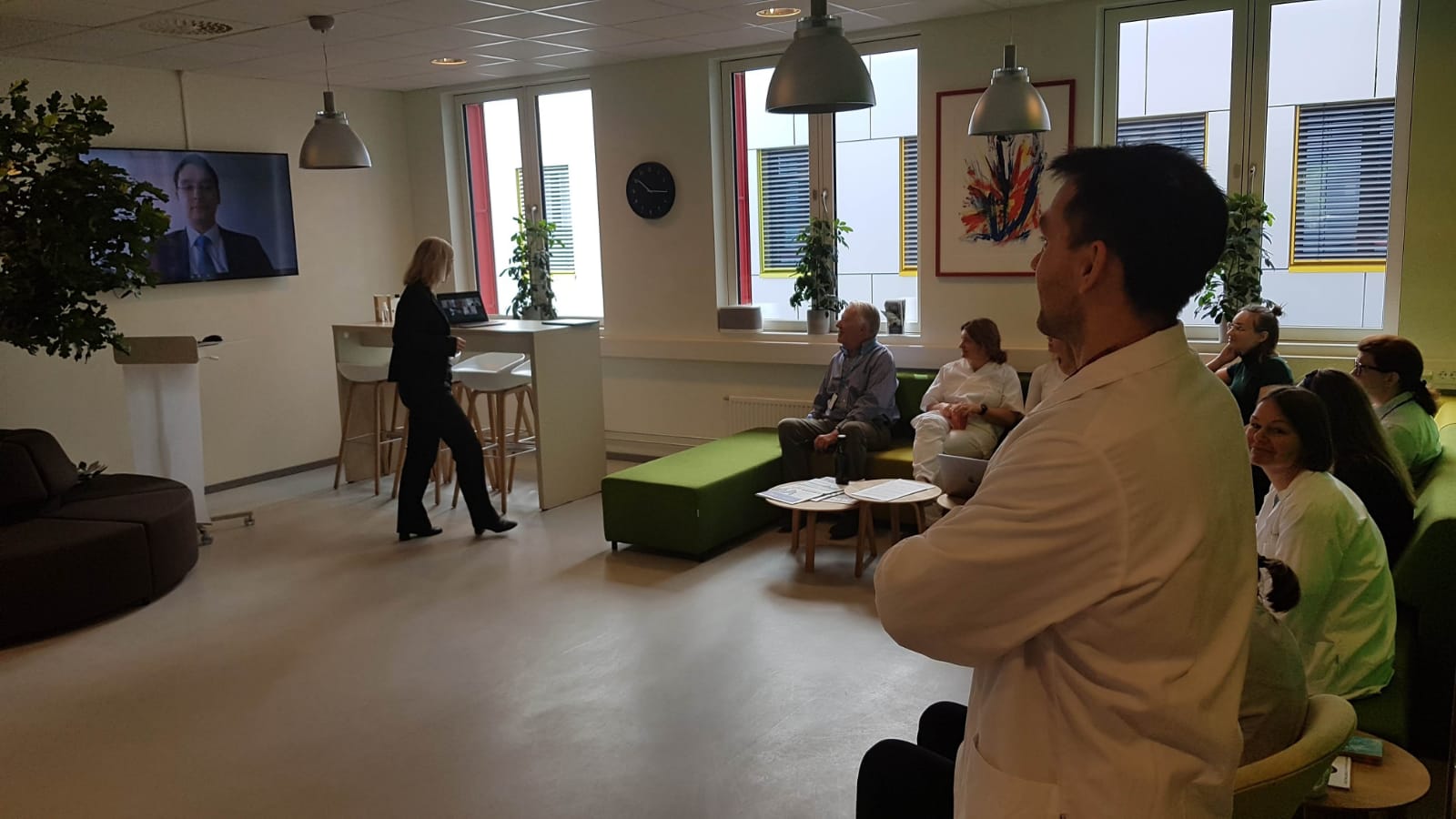
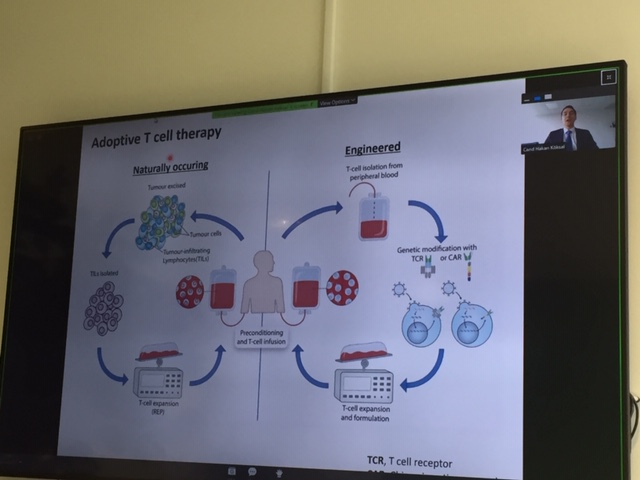
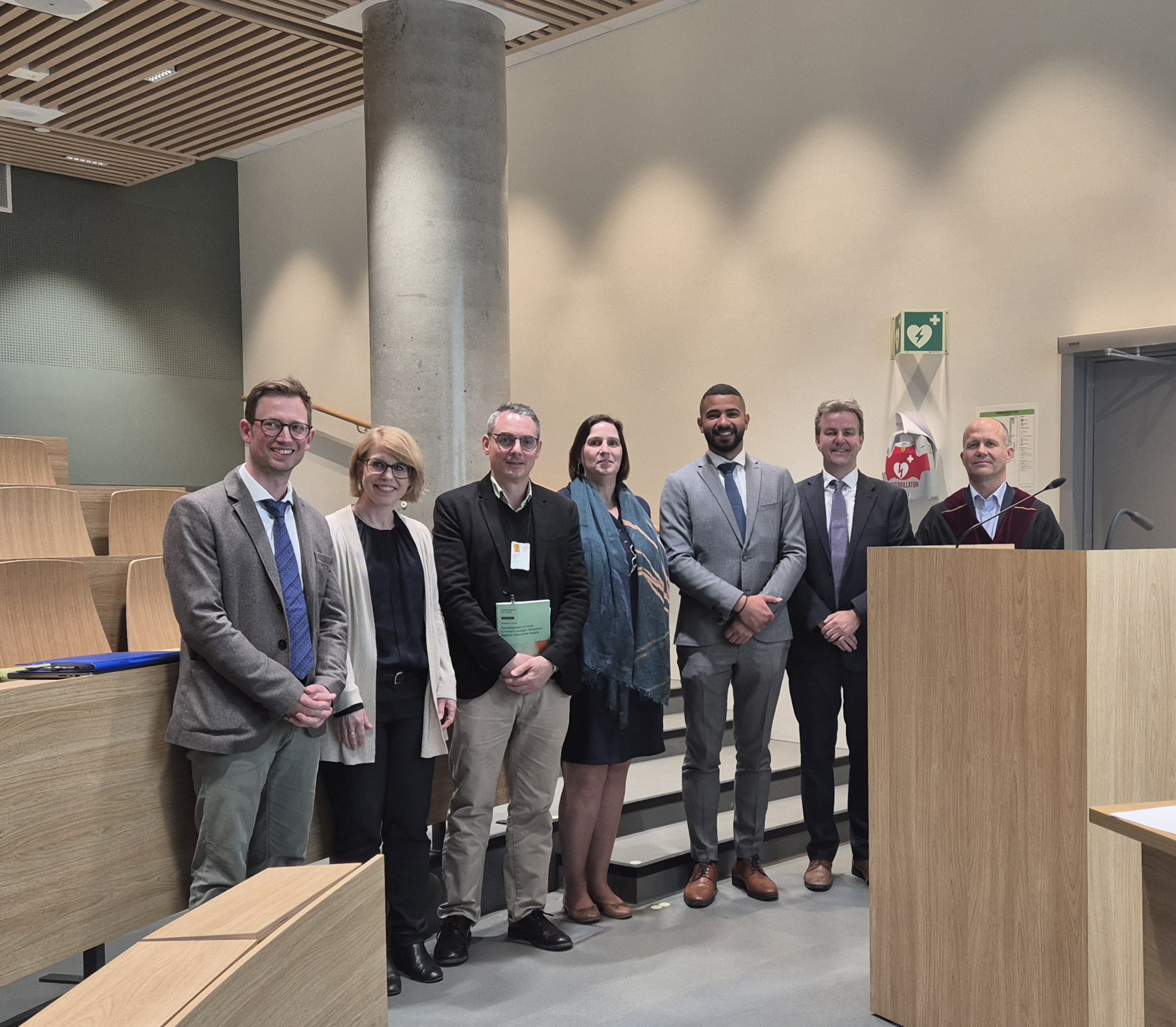
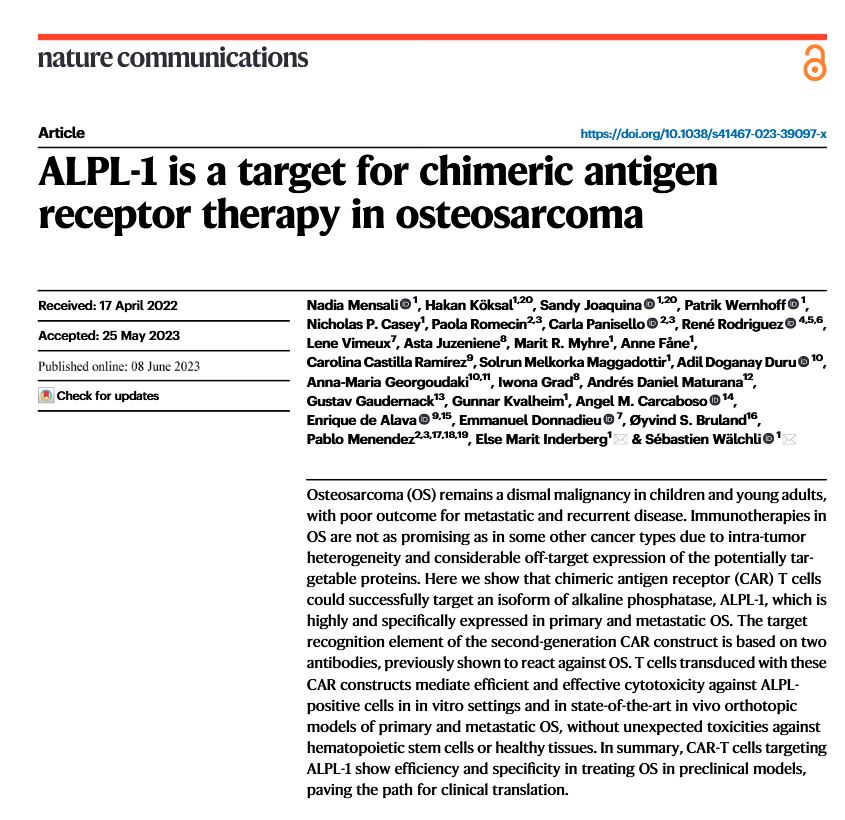
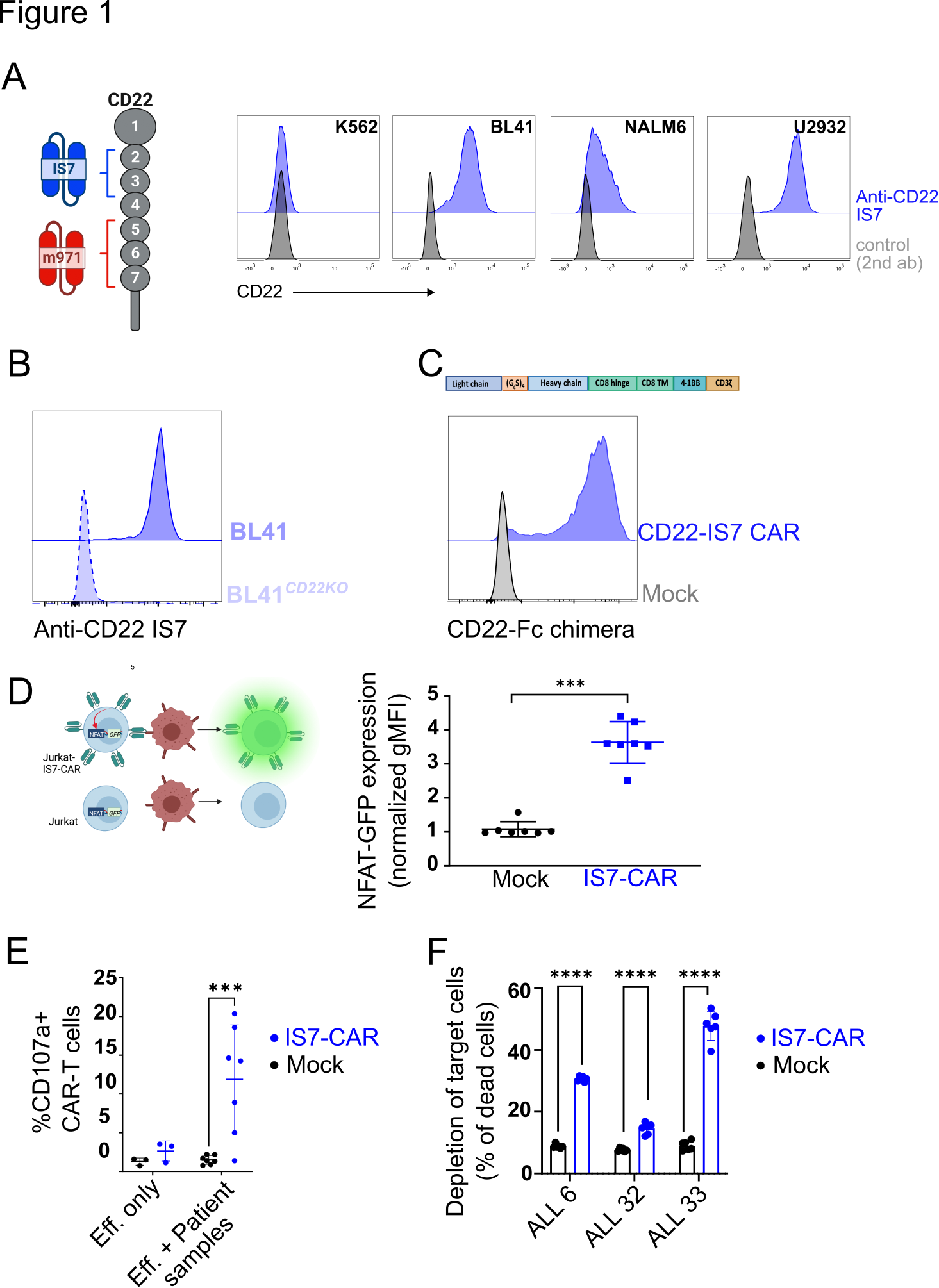
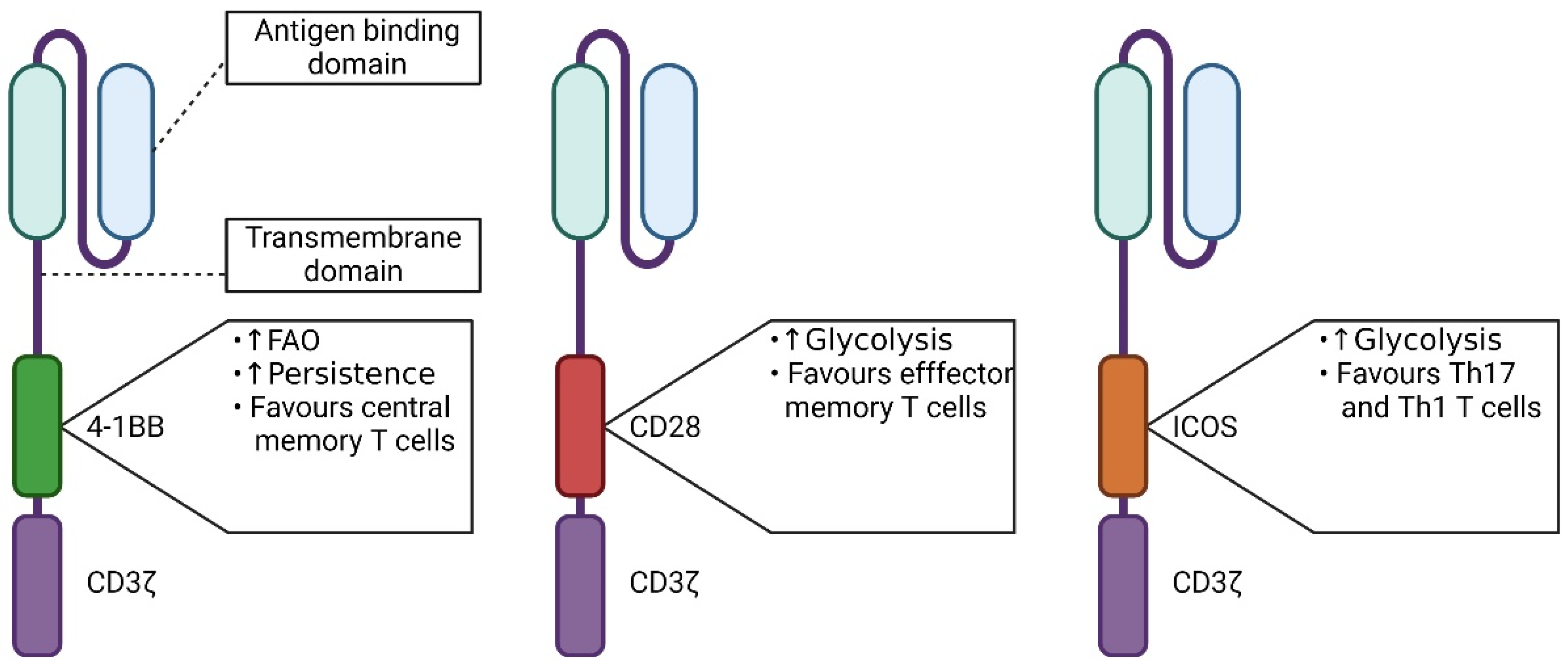
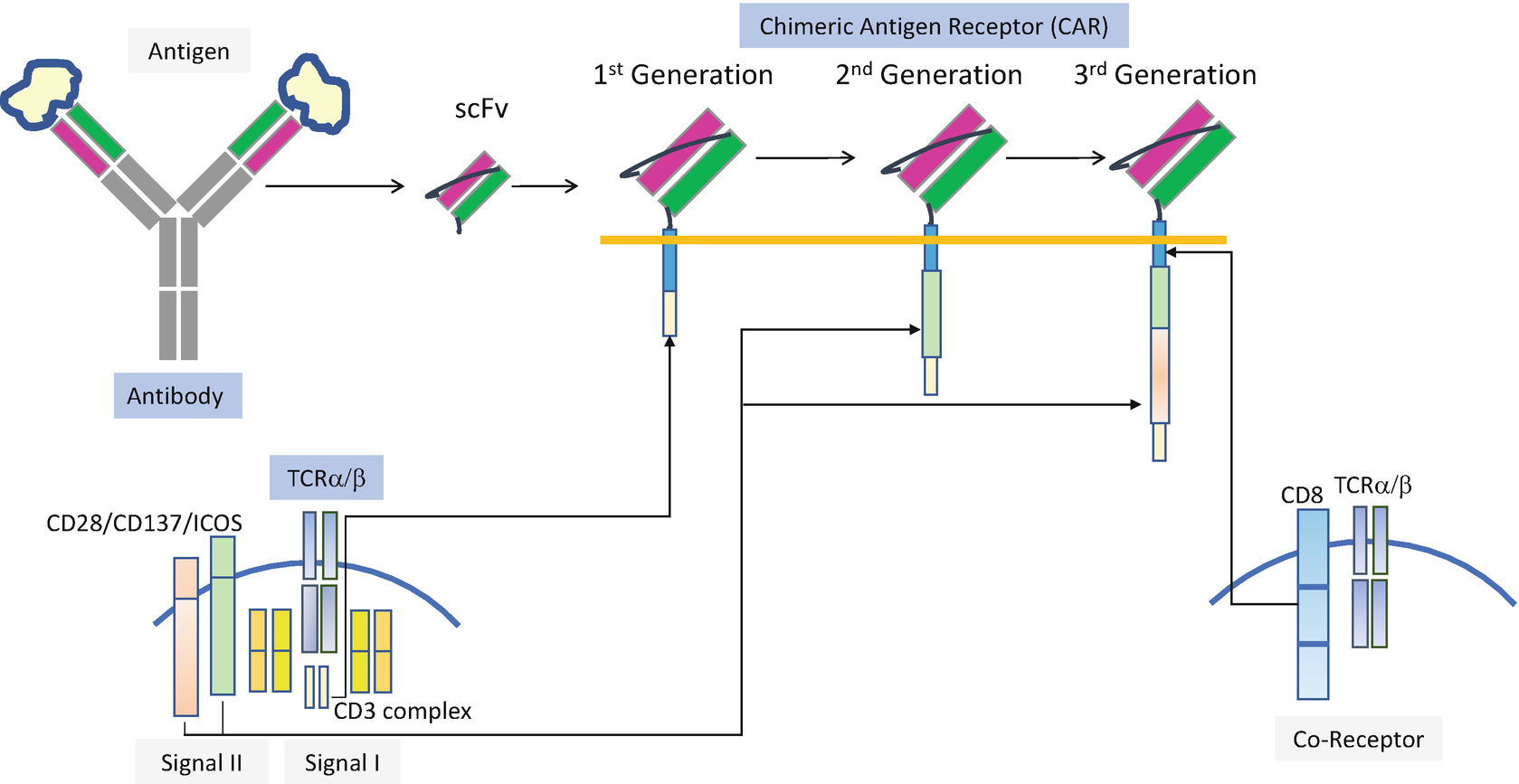
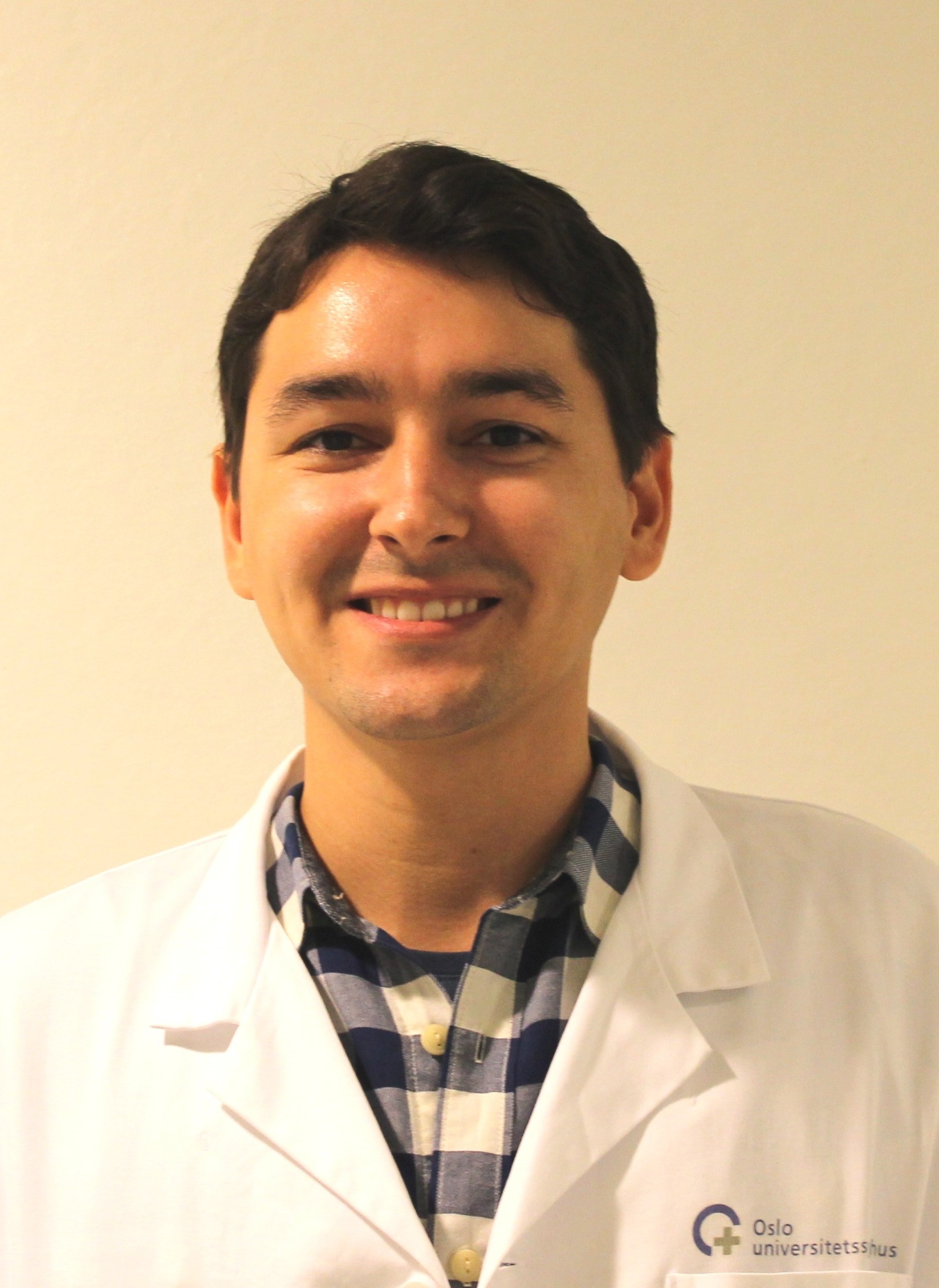 M.Sc Hakan Köksal at Institute of Clinical Medicine will be defending the thesis “Novel designs and approaches in CAR T cells” for the degree of PhD (Philosophiae Doctor).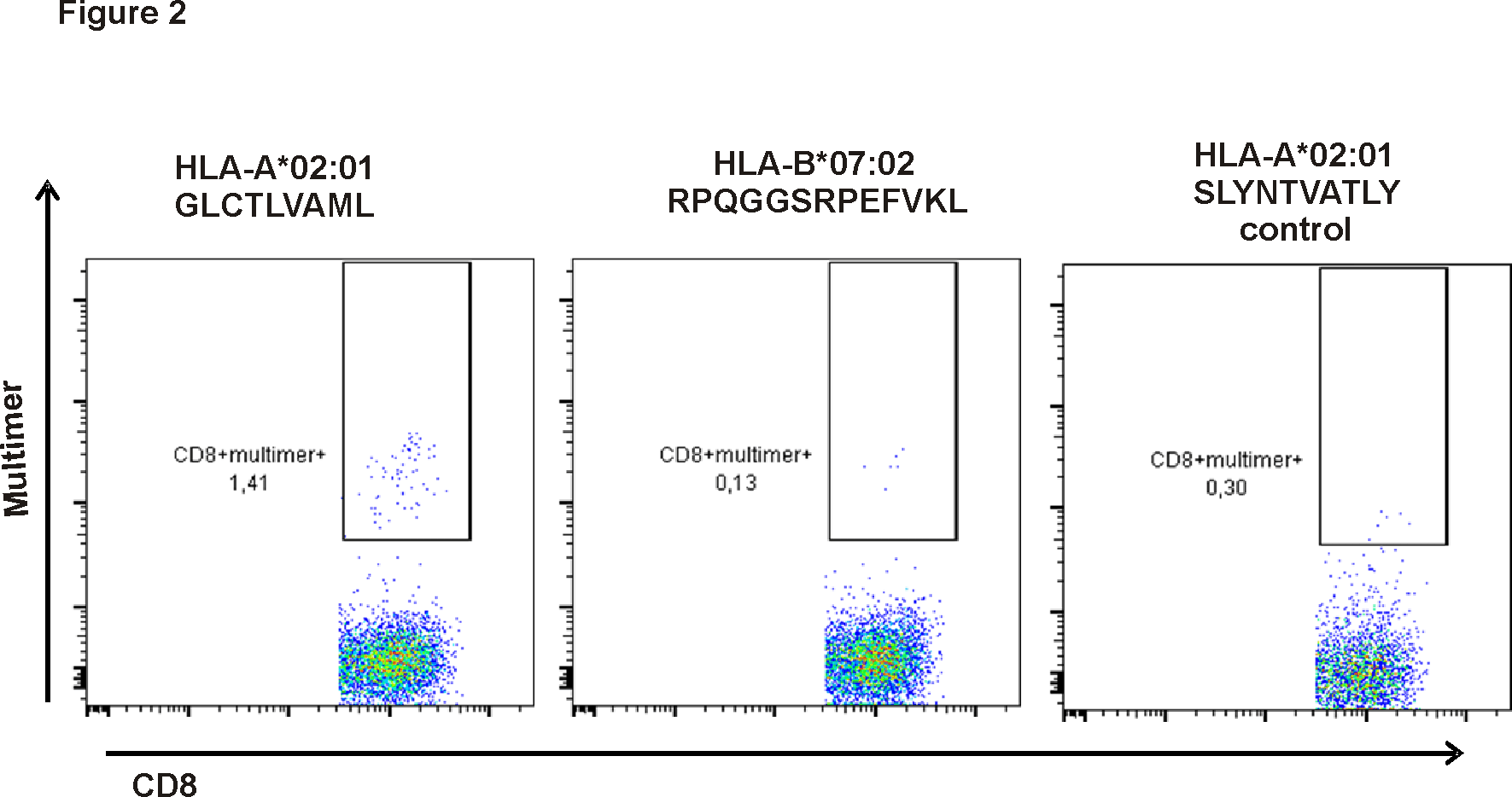




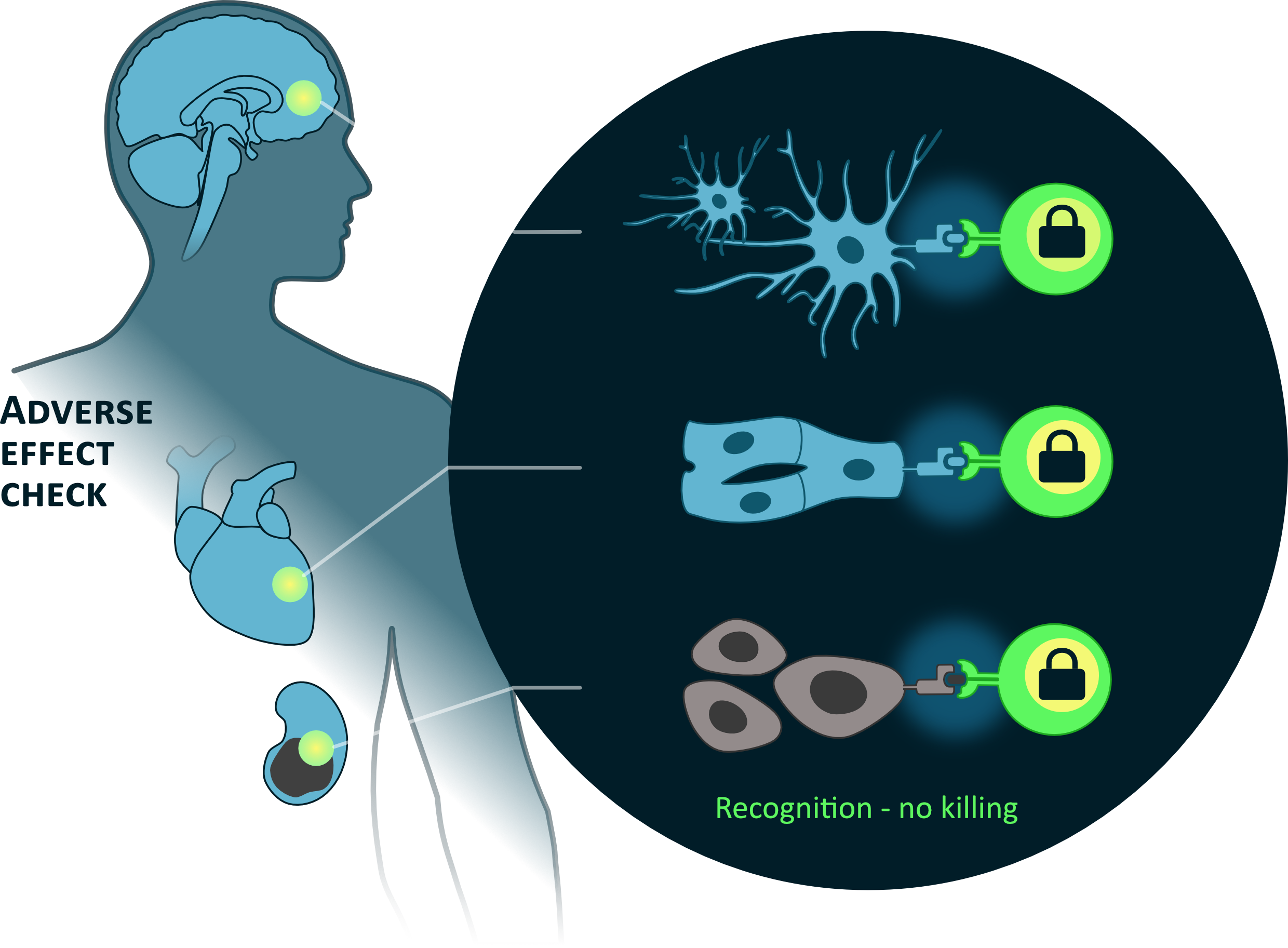 Human c-SRC kinase (CSK) overexpression makes T cells dummy