Welcome to Srdjan Djurovic's research group: Psychiatric Molecular Genetics Group

Srdjan DjurovicGroup leaderPhoto: Bård Gudim AS
Srdjan Djurovic
Group leader
Photo: Bård Gudim AS

The Psychiatric Molecular Genetics Group works to advance knowledge of the molecular genetics of psychiatric disorders through a strong multidisciplinary research environment. The group has multiple active research projects in collaboration with NORMENT2050, a major collaborative effort studying clinical characteristics, neurocognitive functioning, genetics and brain biology of psychotic disorders and with the newly formed Centre for Precision Psychiatry (OUH/UiO).

Aims

Our research aims are to:

  • perform molecular genetic analyses to increase the knowledge and expertise in psychiatric genetics and genomics
  • identify the molecular networks underlying psychiatric disorders
  • continually develop an organization to support psychiatric genomics and stem cell studies with design and planning and experiments.
  • continuously foster new ideas 
New major NFR project Multimodal metabolic markers for mechanisms and predictive trajectories of Alzheimer’s disease”– central for our future research.

Srdjan Djurovic and his team receive 40 million NOK from the Top Researchers program (TOPPFORSK) hosted by The Research Council of Norway to find out if it is possible to predict Alzheimer disease at an early stage.
This disease starts long before the symptoms appear, often several decades earlier. Djurovic and his research group will “go back in time” and analyze blood samples from people in their 40s and 50s to find hereditary protein and metabolic markers that can warn of risk.


Research projects:

  • Core funding: NFR project “Multimodal metabolic markers for mechanisms and predictive trajectories of Alzheimer’s disease” (2026-2031)
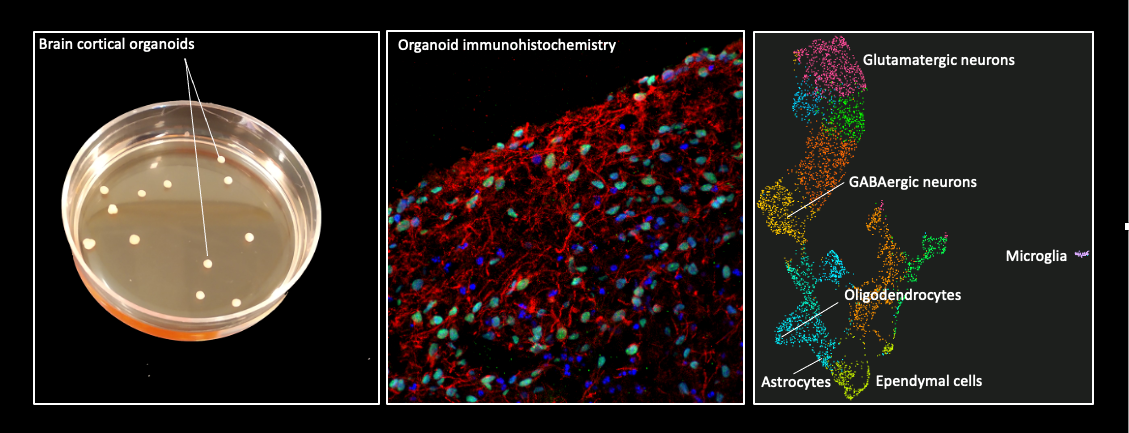
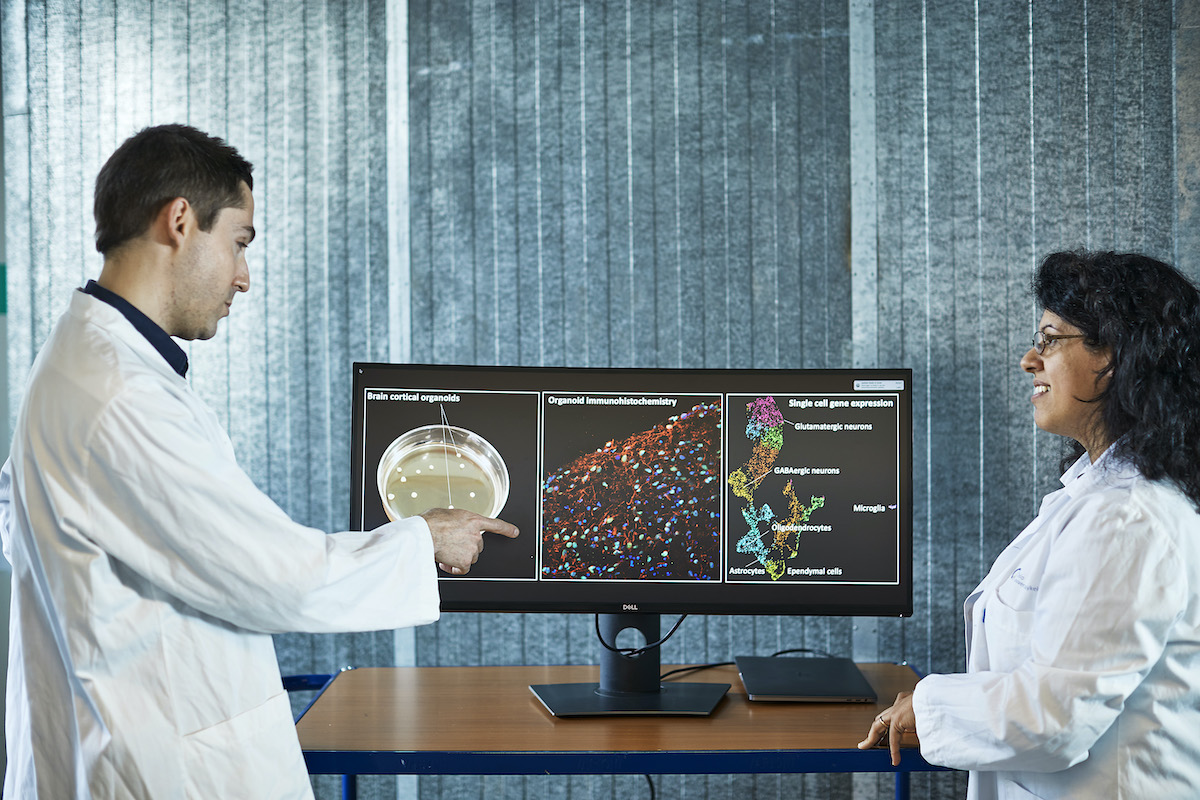
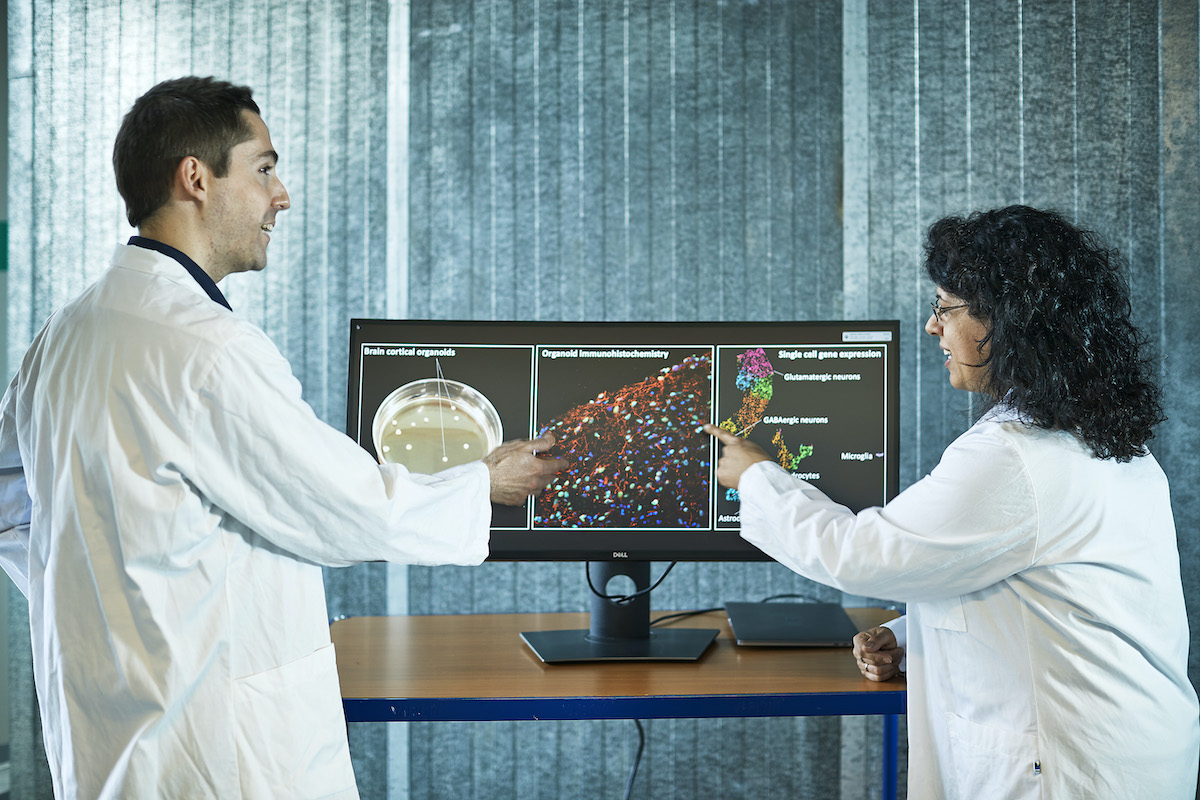
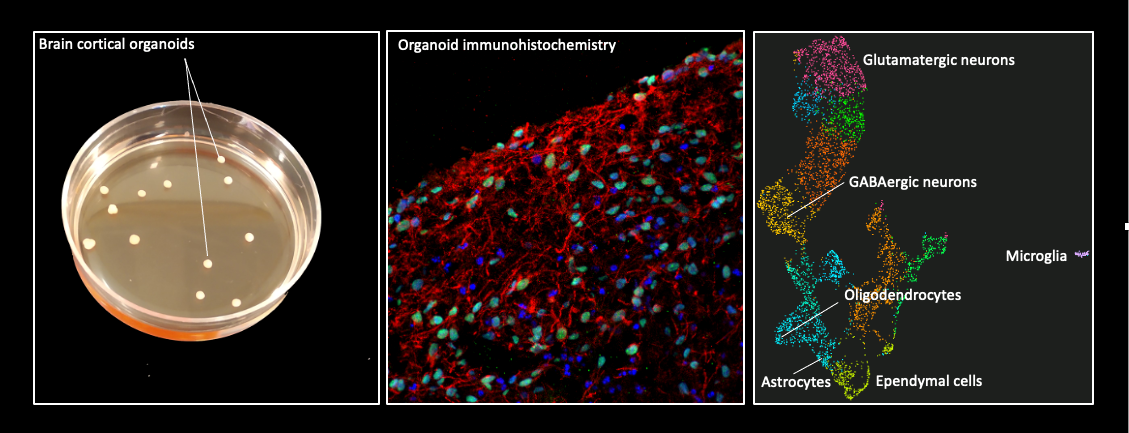
  • Human induced pluripotent stem cell (hiPSC) technologies in psychiatric molecular genetics (Figure 1)
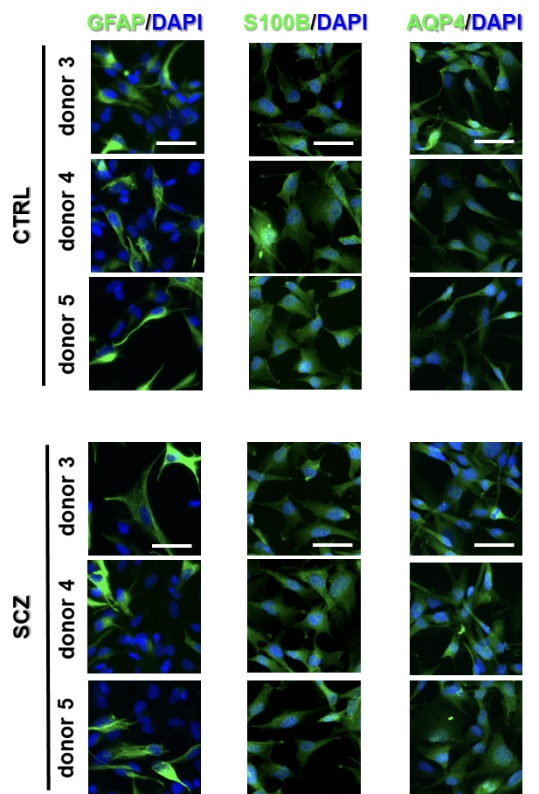
  • Neuro-immune interactions (Figure 2)
  • Identifying the polygenic basis of the human brain and neurodevelopmental disorders 
  • Understanding the function of ANK3 in psychotic disorders
  • Identifying mechanisms of rare genetic variants in population level brain imaging genetics for clinical subtyping in neurodevelopmental disorders
  • Prediction of longitudinal outcome and brain phenotype by polygenic risk scores
  • Genetics of neuropsychopharmaceutics
  • Cooperation and biobanking with large-scale studies including the national cohorts and further collaboration with other large-scale studies for validation and QC steps


Figure 1 A) Representative image of control human induced pluripotent stem cell (iPSC)-derived brain cortical spheroids (hCS) at day 150 of differentiation. B) MAP2/VGLUT1/DAPI immunohistochemistry staining of human iPSC-derived mature cortical spheroid. C) UMAP clustering of single cell RNA sequencing of a healthy donor iPSC-derived cortical spheroid. Provided by Jordi R. Osete


Figure 2. Characterization of iPSC-derived astrocytes from CTRL and SCZ donors . Cells from day 40 cultures stained positive for the key astrocyte markers GFAP, S100B, and AQP4. Scale bar: 200 μm. Provided by Attila Szabo


Contact information:
Group Leader Srdjan Djurovic, Department of Medical Genetics, Tel: +47 22 11 98 90
E-mail: srdjan.djurovic@medisin.uio.no