
Welcome to Srdjan Djurovic's research group: Psychiatric Molecular Genetics Group
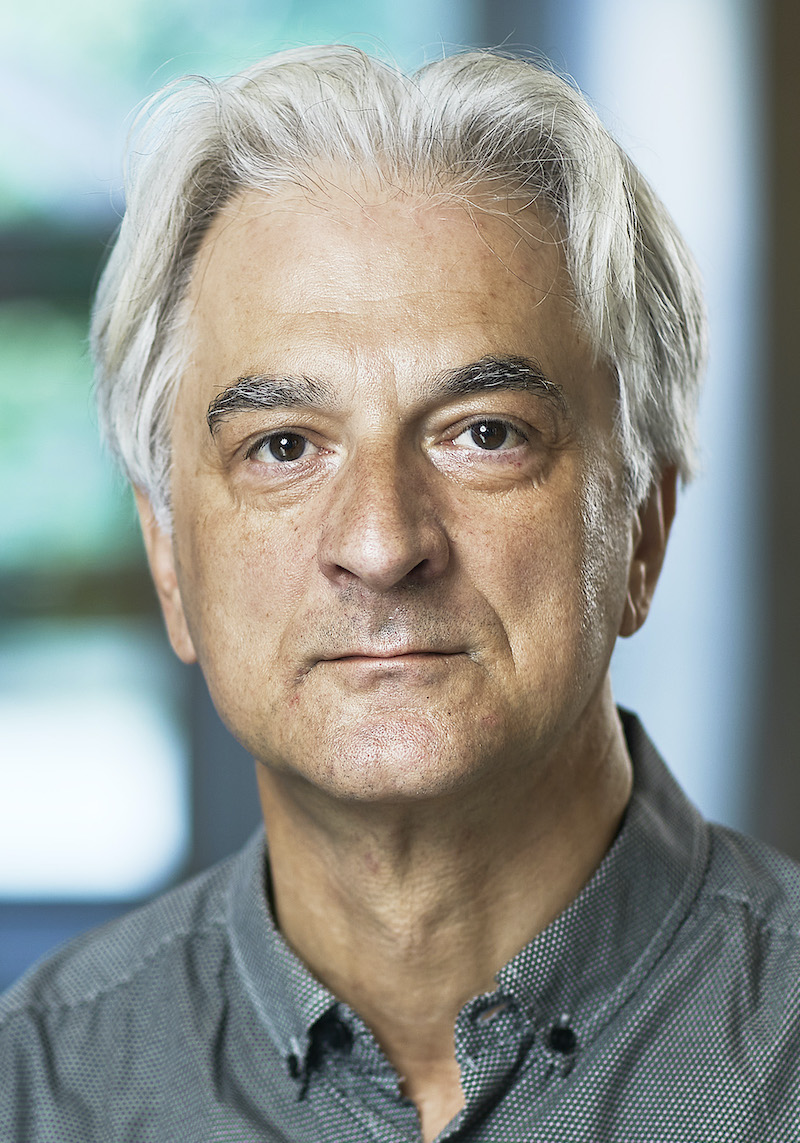
Group leader
Photo: Bård Gudim AS
The Psychiatric Molecular Genetics Group works to advance knowledge of the molecular genetics of psychiatric disorders through a strong multidisciplinary research environment. The group has multiple active research projects in collaboration with NORMENT2050, a major collaborative effort studying clinical characteristics, neurocognitive functioning, genetics and brain biology of psychotic disorders and with the newly formed Centre for Precision Psychiatry (OUH/UiO).
Aims
Our research aims are to:
- perform molecular genetic analyses to increase the knowledge and expertise in psychiatric genetics and genomics
- identify the molecular networks underlying psychiatric disorders
- continually develop an organization to support psychiatric genomics and stem cell studies with design and planning and experiments.
- continuously foster new ideas
Induced pluripotent stem cells (iPSCs) are well suited for study of in vitro aspects of patients’ neuronal function and thus may aid to unravel the core pathological processes behind neurodevelopmental symptoms. The recent development of iPSC-derived 3D brain organoids has greatly improved the modelling of brain development and disease in vitro. These new models add an extra layer of complexity compared to 2D iPSC-derived cells. Thereby they are able to reproduce key in vivo features like cell-to-cell interactions and tissue-specific brain organization and architecture. We have established the required competence and facilities for human iPSC reprogramming and differentiation, enabling investigation of neuronal cells from patients and controls. We use in-house methods to validate iPSCs and differentiate them to neural progenitor cells (neural conversion) and regionalized neuronal subtypes, astrocytes and other glial populations, as well as human cortical brain organoids. We are currently developing a psychopharmacological screening platform for psychiatric disorders using iPSC-derived cortical organoids.
Our efforts to identify the polygenic basis of the neurodevelopmental disorders have resulted in several translational publications and we are currently performing more deep molecular phenotyping studies.
Our field has become increasingly aware of the complex interactions between the brain and the immune system which may be relevant to pathophysiology of the brain. As a result, the neuroinflammatory aspects of psychiatric disorders has been an emerging area of research in the group. Some of this research has already been published with several other ongoing studies on its way.