Rare Genetic Variants in Neurodevelopment Disorders
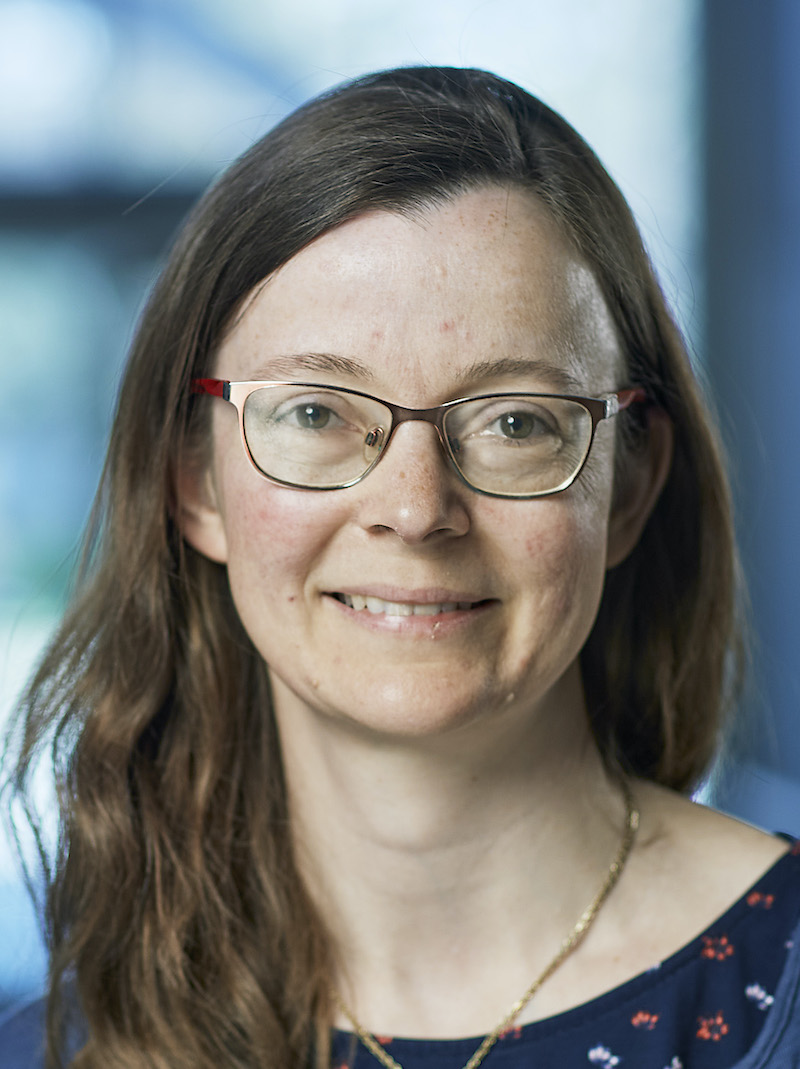
Ida E. SønderbyProject group leaderPhoto: Bård Gudim AS
Ida E. Sønderby
Project group leader
Photo: Bård Gudim AS

Our goal is to improve the understanding of (neurodevelop)mental disorders and neurogenetic mechanisms shaping human behavior, cognition, and development.

As ‘models’, we use rare genetic variants, in particular sex aneuploidies, individuals with an atypical number of sex chromosomes, and copy number variants (CNVs), i.e. regions of the genome either deleted or duplicated. These individuals are at elevated risk for a wide range of medical and behavioral consequences including brain disorders and some display large macroscopic effects on brain structure. The exact same CNV may confer elevated risk for several different (brain) disorders while reciprocal CNVs (at each end of the dosage response) may be associated with the same disorder. This suggests that brain disorders are highly interlinked. Consequently, through sex aneuploidies and CNV studies, we may disentangle the mechanisms behind interrelated disorders and their influence on disease (both mental and somatic) outcome. 
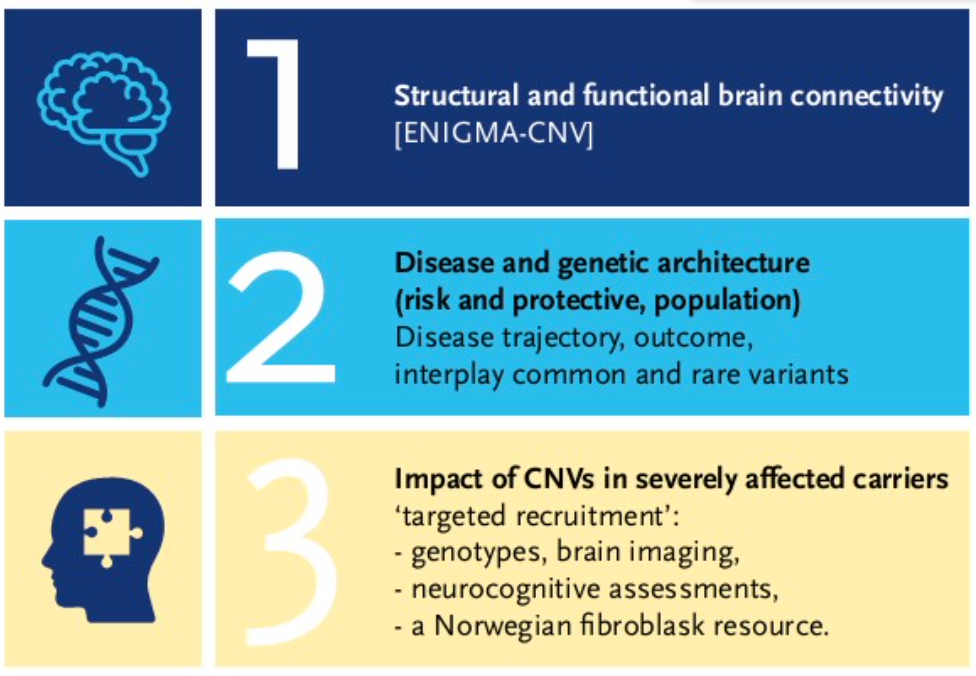
We enjoy fervent, far-out discussions, a good laugh and to work in a collaborative, supportive spirit. Thus, we welcome enthusiastic, fun additions to the group including fruitful collaborations and motivated master students. For students, we offer highly cross-disciplinary projects on carriers of CNVs and sex aneuplodies within e.g. brain imaging, psychology and genetics. Please reach out!

Current projects:

TRICXY-MINDS - Clinical insight into sex TRIsomies for enhanced psychiatric Care in individuals with X and Y chromosomal aneuploidies. More

22q11.2 register project - Register-studie på fødsels-karakteristika og diagnose-forløp for personer genetisk diagnostisert med en 22q11.2 kopitalsvariant. More

Copy number variants (CNVs) - Mechanisms in population level brain imaging genetics for clinical subtyping in neurodevelopmental disorders. More