
NervOUS research group
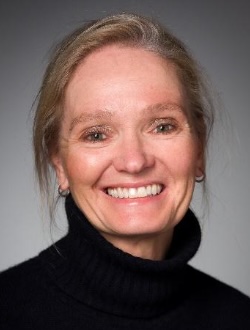
Group leader
NervOUS-Pediatric Neurology aims to stimulate research within the fields of pediatric neurology and social pediatrics. For many years, the group has conducted research into the genetic causes of intellectual disabilities and neuromuscular disorders. The provision of treatment for rare genetic conditions has inspired new PhD projects in the field of precision medicine, and we currently have several ongoing projects focusing on muscle disorders and rare neurotransmitter-related diseases. Autism and epilepsy represent major and significant disease categories within pediatric neurology; plans are underway for a doctoral project on status epilepticus in children, as well as a study designed to investigate the causes behind the increased prevalence of autism. A large collaborative project has been initiated between the specialist health service and various districts in Oslo, examining the impact of follow-up care for children with morbid obesity. A clinical research fellow within the group is basing their doctoral work on findings from this initiative.
We have secured funding from the Norwegian Multiple Sclerosis Society for a preliminary project, followed by a grant from the Dam Foundation for a doctoral project concerning pediatric multiple sclerosis (POMS). This project, which is already well underway, aims to map the prevalence of MS with an onset before the age of 18, as well as to assess functional outcomes within this group.
We are also involved in a major study of patients with juvenile neuronal ceroid lipofuscinosis (JNCL). Various studies are currently examining the natural disease progression, mental health, and biomarkers associated with this condition. A collaborative project involving Norway, Sweden, and Denmark is examining the differences and similarities between these countries, as well as the implications of the illness for the entire family.
The research group is also involved in several projects concerning patients with CFS/ME. One of these projects focuses on immunological aspects, while another investigates the impact of standardizing care coordination for adolescents and adults experiencing long-term fatigue of unknown origin or CFS/ME. We are also participating in a study of patients who have recovered from a COVID-19 infection.