
Welcome to: The Cancer Cytogenetics research group
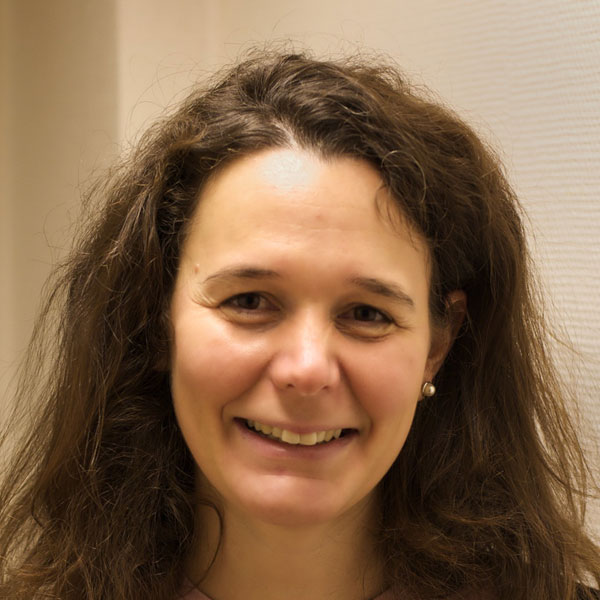
Group leader
The Cancer Cytogenetics research group works to identify genetic alterations that contribute to the development of cancer. The aim is to understand how normal cells transform into cancer cells through the analysis of chromosomal abnormalities and other genetic changes.
The identification of novel cancer-specific chromosomal abnormalities, as well as the molecular mechanisms underlying them, has been the core focus of research at the Section for Cancer Cytogenetics for more than 30 years.
The work begins with characterization of tumor karyotypes and continues with detailed analyses using molecular genetic methods such as FISH, aCGH, PCR-based techniques, and next-generation sequencing (NGS). The research mainly focuses on leukemias and selected solid tumors, including sarcomas, other connective tissue tumors, and gynecological malignancies. The aim is to identify which chromosomal abnormalities are present and how they contribute to tumor development (tumorigenesis).
Although the primary focus is on malignant tumors, both benign and malignant neoplasms provide important and complementary insights into the mechanisms underlying tumor invasion and metastasis. The group therefore also aims to investigate rare benign neoplasms.
The research group consists of experts in molecular genetics, cytogenetics, hematology and oncology, as well as PhD students and bioinformaticians. The group collaborates closely with clinicians and pathologists at Oslo University Hospital and also maintains strong international collaborations.

The main project is entitled:
“Molecular Cytogenetic Analysis of Acquired Chromosomal Abnormalities in Neoplastic Cells”
The research activities are organized into two main areas:
- Molecular cytogenetics of tumors in the female genital organs
- Gene-level consequences of novel cancer-specific chromosomal rearrangements
The primary goal is to identify genetic abnormalities, particularly fusion genes, and to understand their role in cancer development. The group employs a combination of classical cytogenetics and modern molecular methods, making the research relatively unique within the field.
In recent years, the group has identified several novel cancer-specific genetic alterations, and the findings have been published in international scientific journals.