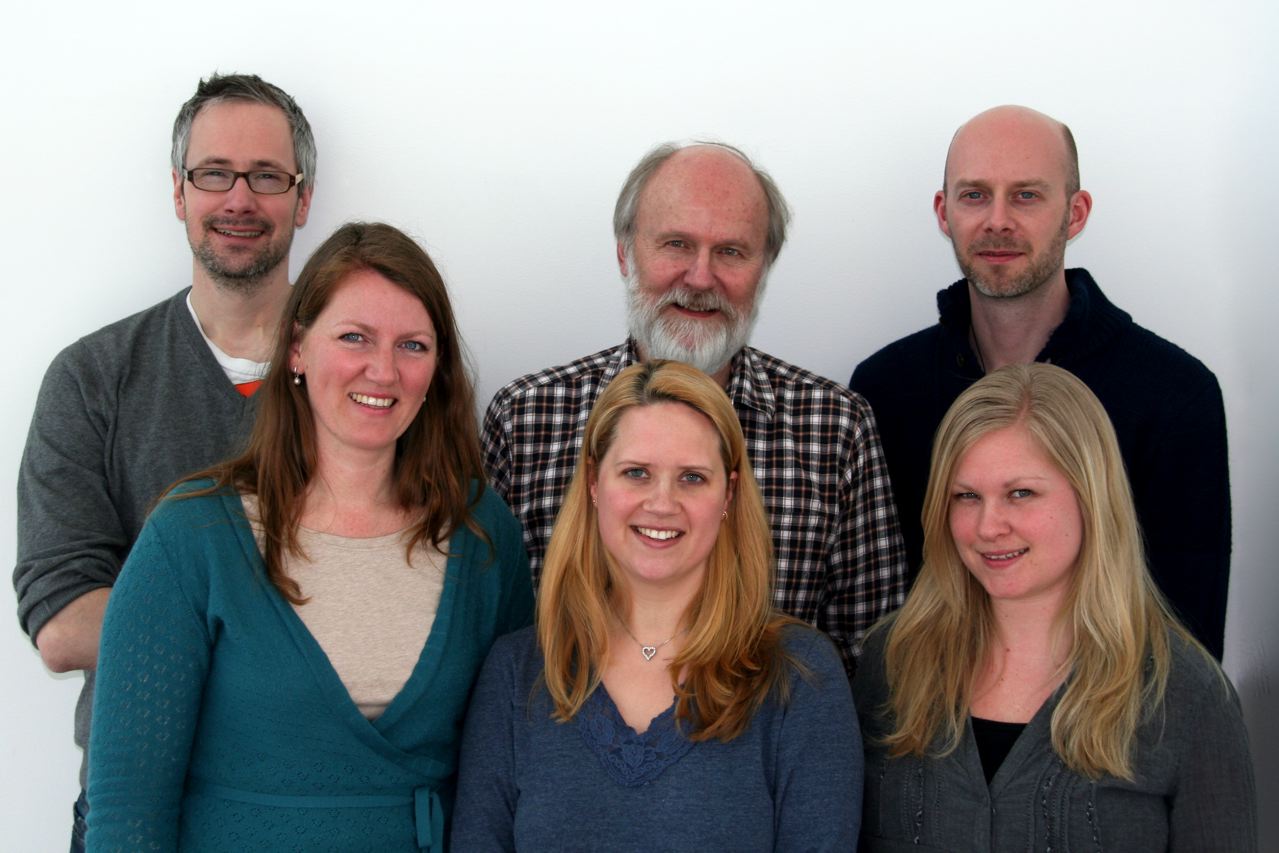
Proteomics & Mammalian Cell Biology Section
The Proteomics & Mammalian Cell Biology Section functions as a core facility for cancer proteomics at The Norwegian Radium Hospital. Furnished with a nano-LC interfaced ESI ion trap mass spectrometer with ETD capabilities as well as a MALDI-TOF mass spectrometer the section explores the possibility of using large-scale proteomic analysis as a cancer diagnostic tool. Additional expertise includes instrumentation devoted to multi-dimensional protein separation based on gel- and non-gel applications. In conjunction with Core Facility for Proteomics at OUS/Gaustad, the section provides proteomic service and project collaboration with medical researchers and other scientists at Oslo University Hospital.
In the section's own research projects, proteomics is used to study autophagic protein degradation in normal and malignant liver cells, and the role of phosphorylation-based signalling pathways (in particular the stress-activated AMPK pathway) in the regulation of autophagy, apoptosis (programmed cell death), and cytoskeletal organization.
In the section's own research projects, proteomics is used to study autophagic protein degradation in normal and malignant liver cells, and the role of phosphorylation-based signalling pathways (in particular the stress-activated AMPK pathway) in the regulation of autophagy, apoptosis (programmed cell death), and cytoskeletal organization.